The gap nobody talks about
After a long separation, being sexual with your partner again feels like learning from scratch. The body remembers, but the confidence doesn't. You're hyperaware of every touch, every breath, second-guessing whether your partner still wants you this way. That friction between desire and uncertainty is exactly where a lemon vibrator can help.
I've worked with couples rebuilding after everything from job relocations and caregiving gaps to relationship repairs and fresh starts. The most common thing I hear is not "we don't want each other" but "we're both nervous about being bad at this now." That nervousness kills the whole thing before it starts.
Why the gap makes bodies feel different
Time apart changes how you respond physically. Months without regular sex means lower baseline arousal, slower warm-up, and sometimes a weird self-consciousness about your own body that wasn't there before. Your nervous system is also running in a different gear. If there was conflict before the break, your body might literally be braced against vulnerability.
This is not abnormal. It's not a sign the relationship is broken. It's just what happens when the steady rhythm of couple intimacy gets interrupted. Your bodies need to relearn the conversation.
A lemon vibrator (or any quality clitoral vibrator) works here because it takes the performance pressure off. Instead of focusing on whether your partner is aroused, what you're doing, what they're thinking, you can actually feel something. Sensation becomes the anchor. And sensation, unlike performance anxiety, gets easier with practice.
Starting the conversation without making it weird
Here's the thing about rebuilding intimacy: the conversation about it matters more than the first time you touch again. If you spring a vibrator into the bedroom without talking about it first, you're introducing a new variable into an already charged situation. That's not sexy. That's stressful.
The framing that works: "I'm nervous about us reconnecting, and I want to make sure we both feel good. I've been thinking about trying something that might take some pressure off both of us." That's honest. It's not clinical, but it's clear.
If your partner has never used a vibrator before, brief context helps. "It's not instead of you. It's actually something we can use together. Lots of people find it makes things feel easier when they're getting restarted." You're naming what's actually true: lemon clitoral vibrators aren't a replacement for your partner. They're a bridge back to each other.
The first session: what actually helps
Don't aim for penetration or orgasm on the first time. Seriously. Your goal is sensation and relaxation, not a performance outcome. Here's what I recommend:
Set up intentionally. Clean bedroom, phone on silent, enough time that you're not rushing. If you have kids, make sure they're asleep or away. The goal is to stop your brain from running the logistics ticker in the background.
Start fully clothed. This sounds counterintuitive, but when you're nervous, removing clothes feels like crossing a line you can't uncross. Stay dressed, touch through fabric, kiss, remind yourselves what this feels like. Your nervous system will relax faster if you're not suddenly vulnerable.
Use the vibrator over underwear first. If you're using a lemon vibrator, start on the lowest setting and keep your underwear on. The sensation is still strong (suction stimulation works through fabric) but it's diffused. This is not a shortcut. It's pacing. Your body needs to remember what pleasure feels like before you add intensity.
Narrate what you're feeling. Not as play-by-play, but genuinely. "This feels really good." "I was nervous about this but I'm into it." Talking keeps your brain engaged with your body instead of spiraling into doubt. It also reassures your partner that they're not messing this up.
The second and third times: letting it build
After the first session, you have new information. You know it's not painful. You know you can still feel things together. That changes the pressure immediately.
For the second time, you can move into more direct contact. Remove underwear, use the vibrator directly on the clitoris, start again on low. If your partner is touching you too, ask them to follow your body's cues instead of trying to time things perfectly. "Keep doing that" or "a little higher" or "slower" are your friends here.
The third time, you can experiment with what actually feels good. You might want your partner inside you. You might not. You might want the vibrator alone. You might want it in combination with their touch. There's no wrong answer. The lemon vibrator is the variable you're controlling while you figure out what your bodies want from each other now.
This pacing also protects you both emotionally. You're proving to each other incrementally that this is going to work. You're not demanding everything come back at once.
What lemon vibrators specifically offer for this situation
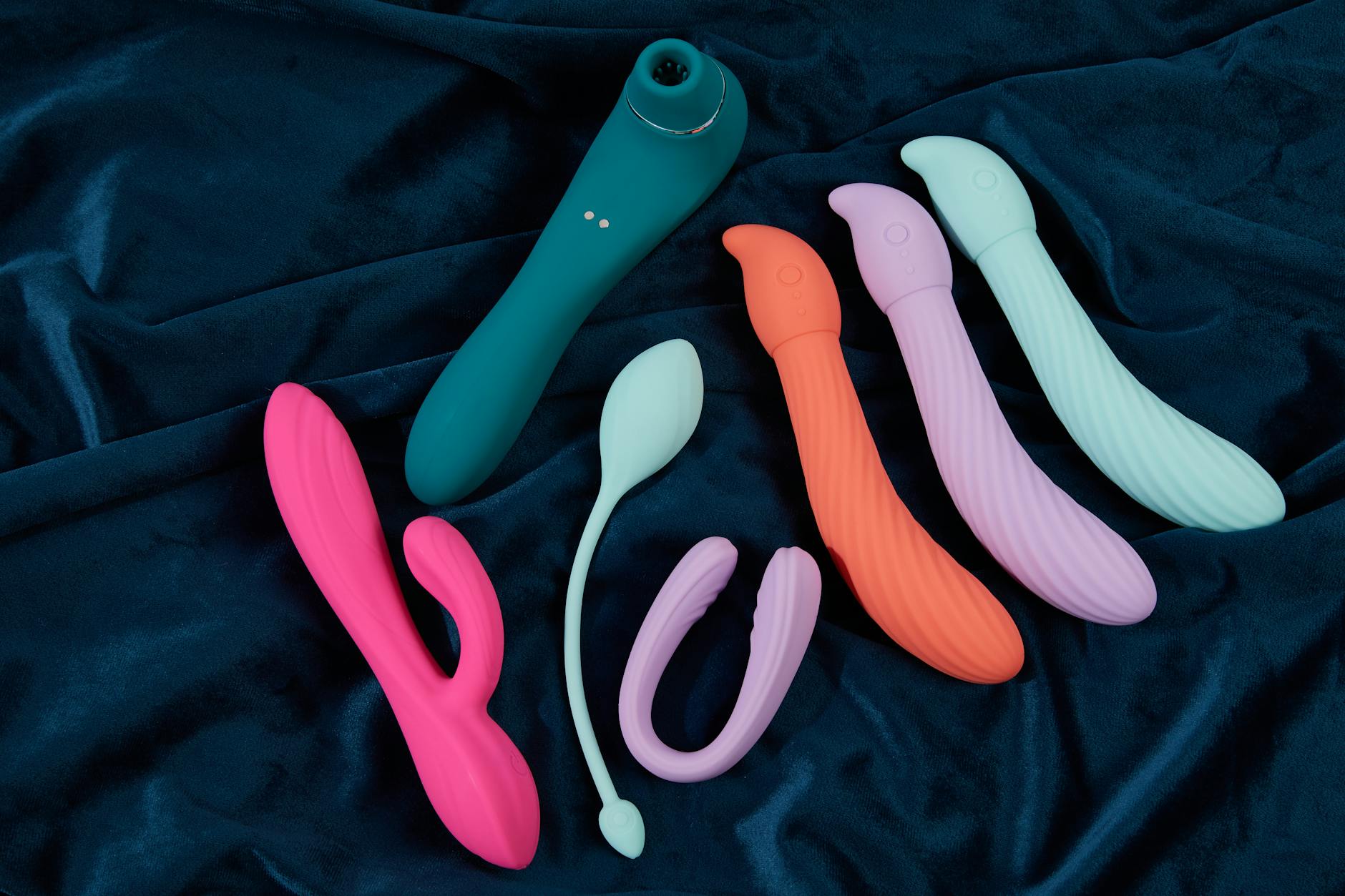
The lemon suction vibrators (like the clitoral vibrator from Hello Nancy) have an advantage for couples rebuilding. They work on suction and subtle pulsing instead of intensive vibration. That gentleness matters when you're nervous. You don't feel like you need to "handle" the intensity.
They're also intuitive to use with a partner. Someone can hold the vibrator while the other person gives feedback, or you can trade off. The grip is comfortable for extended use. You won't be white-knuckling it trying to maintain an angle.
And honestly, using a lemon clitoral vibrator together is disarming. It's not mysterious. There's something almost vulnerable about a partner watching you respond to something that feels good. That vulnerability, when it's chosen and safe, rebuilds the intimacy faster than pretending everything is fine.
The emotional work underneath
Using a vibrator together works only if you're both actually willing to reconnect. If there's resentment, shame, or unresolved conflict still sitting between you, a vibrator won't fix that. It'll just make the dysfunction more obvious.
If you're doing this work, you probably need two conversations. One is practical and about bodies: "Here's my nervous system right now. Here's what I need to feel safe." The other is relational: "I want us to come back together. I know it'll feel different. I'm willing to be patient." That second conversation is the one that actually matters.
After a long break, some couples find they've actually outgrown each other. That's real too. But most couples I work with find that the gap was just time and circumstance, not fundamental incompatibility. The body remembers how to want someone, especially if you're both trying.
FAQ
### How long does it usually take to feel back to normal together?
There's no timeline. Some couples reconnect over a few weeks. Others need months. The pressure comes from thinking there's a "normal" speed. Your body will tell you when you're ready for more intensity, more frequency, more complexity. That timeline is right for you even if it's slower than you expected.
### What if I don't orgasm the first time?
You probably won't. And that's fine. When you're nervous, reaching orgasm is actually harder, not easier. Your nervous system is in survival mode, which is the opposite of pleasure mode. The goal for the first few sessions is sensation and safety. Orgasm will come back once you're genuinely relaxed.
### Can we use lemon vibrators even if only one of us wants to reconnect?
Not really. A vibrator is a tool for two people who are both invested in rebuilding. If one person is hesitant or resentful, a vibrator will just make that obvious. You'd be better off talking to a couples therapist first to work through what the hesitation actually is.
### Is it normal to feel awkward watching my partner use a vibrator?
Completely normal. You're used to a certain kind of intimacy, and this is different. That awkwardness usually fades by the third or fourth time. The more you see your partner's genuine pleasure, the less strange it feels. Eventually it feels hot. But the first time is always weird. That's okay.
### What if my partner thinks wanting to use a vibrator means I'm not satisfied?
This is a conversation, not a vibrator problem. "A vibrator isn't about you not being enough. It's about both of us feeling good after we've been apart." If your partner is still defensive after you've explained that clearly, the issue is probably deeper insecurity that existed before the break. That's something to address separately, maybe with a therapist.
### Should we be using lube with a lemon vibrator?
Yes. Water-based lube always, especially when you're nervous and your body might not be producing as much natural lubrication. Lube also makes the vibrator feel smoother and less intense, which helps with that pacing I mentioned. It's not a sign that something's wrong. It's basic care.
The real work
Using a lemon vibrator together during a reconnection isn't magic. It's a tool that removes some friction (literally and figuratively) while you're figuring out how your bodies fit together now. The real work is the vulnerability of asking your partner to be patient with you, and the patience of asking them to go slow. A good vibrator just makes that easier to do together.
Your bodies haven't forgotten each other. Your nervous systems just need reminding that this is safe. Start small. Be honest. Let sensation lead. Trust that pleasure comes back when you stop trying to perform and start actually feeling again.