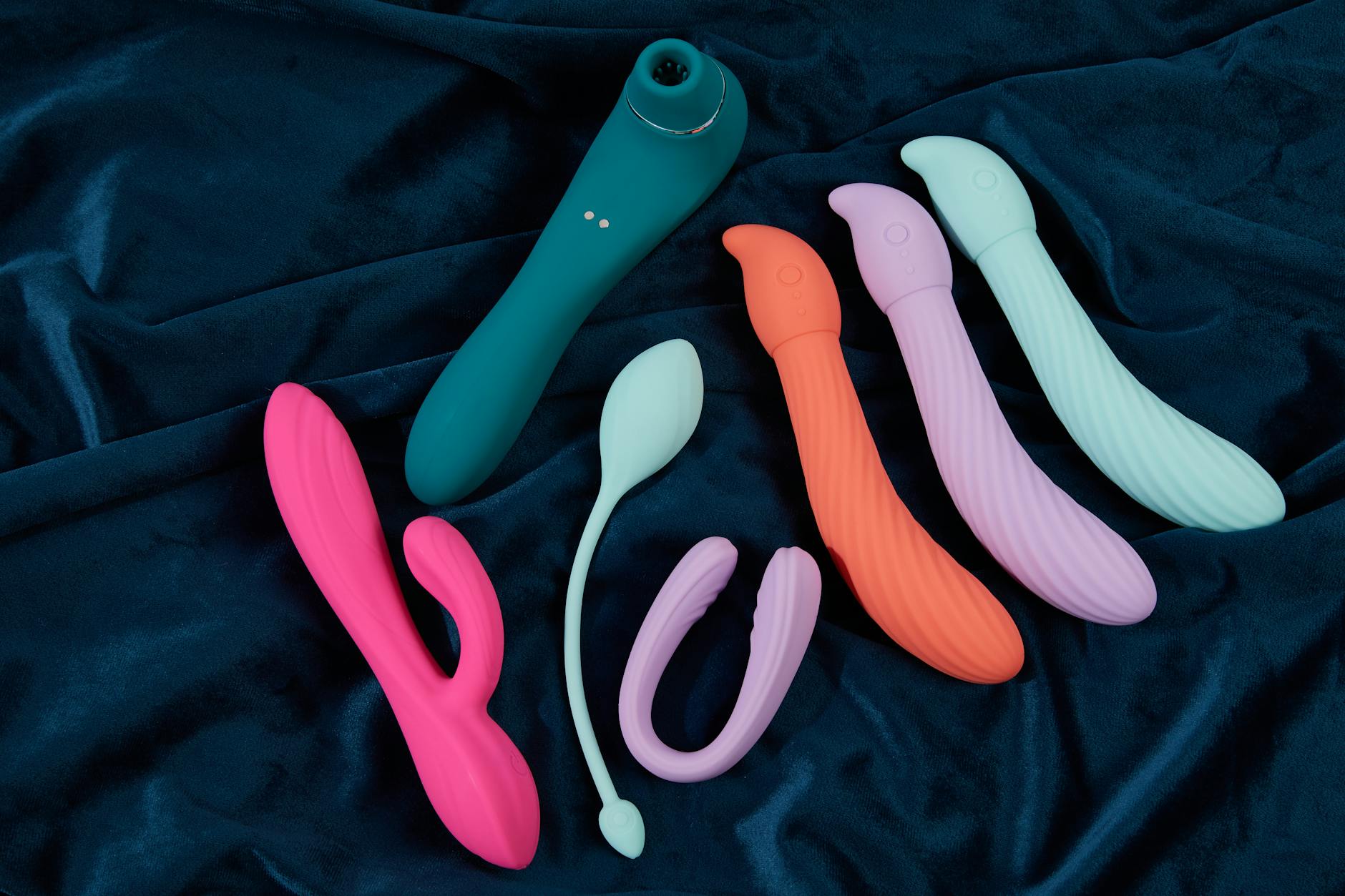
Let's talk about the disconnection
You're with someone you love and the pleasure just isn't there anymore. It's not that you don't want to connect. It's that your body feels muted, like the signal between desire and sensation got scrambled somewhere along the way. Maybe it happened gradually. Maybe it was sudden. Either way, you're left wondering if this is just how it is now.
It's not. And a lemon vibrator can be a surprisingly effective bridge back.
Why disconnection happens in long-term partnerships
People often blame themselves first. "I'm broken. My body doesn't work anymore. I'm the problem." The clinical truth is more useful. Disconnection from pleasure in partnerships usually stems from three overlapping culprits.
Physical numbing. If you've been relying on intense stimulation for years, your nerve endings adapt. They need more intensity to fire the same signal. This is called desensitization, and it's not a character flaw. Your body is literally less responsive than it used to be.
Relational friction. Even in solid partnerships, small resentments pile up. Maybe your partner has stopped asking what you want. Maybe you've stopped asking too. Maybe sex has become routine instead of intimate. When emotional connection frays, physical sensation follows. Your brain is literally less capable of processing pleasure when your nervous system senses emotional distance.
Psychological distance. Stress, depression, medication changes, hormonal shifts. Life gets loud. Your nervous system stays in a low-level alert state, which means your body is less able to soften into arousal and pleasure. You're not broken. You're busy.
The good news: lemon vibrators address all three at once.
How lemon suction technology works differently
Here's the part that matters. Traditional vibrators work through repetitive intensity. Your body adapts. You need more. You chase the same diminishing sensation.
Lemon clitoral vibrators like the Lem use suction and pulse patterns instead. Suction stimulates a different set of nerve pathways than pure vibration does. It's gentler on desensitized tissue, but often more effective at awakening dormant sensation because it's novel. Your nervous system hasn't habituated to it yet.
When you've been numb, that novelty matters. It wakes something up.
The first conversation
Before you use anything, talk to your partner. Here's what I recommend saying.
"I've noticed pleasure has felt distant for me, and I want to change that. Not because I'm unhappy with you. Because I want to feel alive in my body again, and I want that to include us. I'm thinking about trying something new. Would you be open to exploring it together?"
That's it. Direct. No apology. No performance. You're naming something real and inviting collaboration.
If your partner says yes, great. If they seem reluctant, that's useful data too. Sometimes disconnection is a symptom of a relationship issue that needs its own conversation first. That's outside the scope of a lemon vibrator. Sometimes reluctance is just anxiety about something new. That's manageable.
How to use a lemon vibrator together when sensation feels numb
Start here.
Day one. Use the lemon vibrator solo first. Alone, no performance, no timeline. Set 20 minutes aside. Start at pattern one or two. The lowest, gentlest setting. Move it slowly over the clitoral area. Don't chase an orgasm. You're just waking up sensation. Notice what feels different from what you're used to.
Most people report that suction feels less aggressive than traditional vibration. It's concentrated but soft. That's the point.
Day three or four. Once you've reacquainted yourself, introduce it with your partner present. Here's the setup that works best.
You're in control. Full stop. Your partner isn't using it on you yet. You're using it on yourself while they're nearby, close enough to kiss you, touch you, talk to you. They're not performing. They're present. They're witnessing you finding your own pleasure.
This matters more than you might think. When you've been numb, you need to trust that sensation is possible again before you can relax into it. Doing it yourself first rebuilds that trust.
Week two onwards. Now your partner can take a turn. But here's the key. Start slower and lower than you think necessary. If you were using pattern three solo, start them at pattern one. Let them explore at their own pace. Let them ask you what feels good instead of them guessing.
This is the intimacy piece. This is the reconnection.
The emotional work that makes it actually work
A lemon vibrator is a tool. It's not magic. The magic is in what the tool creates space for.
When you're rebuilding pleasure with a partner, slow down everywhere else. Put your phone away. Dim the lights. Take 30 minutes instead of 10. These aren't romantic cliches. They're neurological necessities. Your body can't process pleasure when your nervous system is in alert mode.
Talk during. Not constantly. But when something feels good, say it. "That feels amazing right there." When something doesn't, say that too. "Can we try a different pattern?" This isn't pillow talk. It's data. It's your body learning to trust your partner with your sensation again.
When to use it and when to skip it
Use a lemon vibrator when you're genuinely curious, not when you're trying to fix something that feels broken. Use it when you have time and attention to give. Don't use it when you're resentful, exhausted, or hoping it will solve a relationship problem that actually needs conversation.
If you use it and feel nothing, that's not failure. That's information. Your nervous system might not be ready yet. Your relationship might need other work first. Or you might simply prefer other forms of stimulation. There's no shame in any of that.
Managing expectations
You're probably wondering: will this bring back what we had?
Honestly? The pleasure you get back won't be identical to what you had before. It will probably be different. Maybe better. Many people who've worked through disconnection report that their sensation becomes richer and more complex once they rebuild it. Less like chasing intensity, more like nuanced responsiveness.
But that only happens if you both lean in. A lemon vibrator is an invitation. You still have to show up.
FAQ: Rebuilding pleasure with your partner
What if my partner is uncomfortable with sex toys?
This is the most common concern I hear. Start by asking why. Is it a belief thing? A body-image thing? A fear that they're not enough? Those are different conversations. Sometimes the conversation is: "I want us to explore something that might help me feel more sensation. Would you be willing to try?" Sometimes it's: "I need us to talk to a couples counselor about why this feels threatening." Both are valid. Neither should be rushed.
Can a lemon vibrator actually rewire my body's response?
Yes and no. Your nerve endings don't actually change. But your brain's interpretation of sensation absolutely can. When you use a lemon clitoral vibrator consistently, over weeks, your nervous system learns that pleasure is possible again. That psychological shift is real and measurable. It's not willpower. It's neuroplasticity.
What if one of us orgasms and the other doesn't?
Expect this. Especially at first. Your bodies are on different timelines. That's not failure. That's normal. The goal isn't synchronized orgasms. The goal is presence and sensation. If one of you gets there and the other doesn't, keep going. Help them get there. Or pause and be close. There's no timer.
How do I know if disconnection is about the relationship or about my body?
Ask yourself this: do I feel pleasure when I'm alone? If yes, the issue is relational or psychological, not physiological. If no, the issue is physical or neurological, possibly both. Most cases are both. A therapist who specializes in couples work or sexual health can help you untangle it.
Should we talk to a therapist about this?
Not necessarily before you try a lemon vibrator. But if you've been disconnected for longer than six months, or if the disconnection comes with other relationship strain, yes. A good couples therapist can help you rebuild emotional intimacy, which is what actually makes physical reconnection possible. A lemon vibrator helps with the physical part. Therapy helps with the relational part. They work together.
What if this doesn't work for us?
Then you've learned something valuable. You might need to address other issues first. You might discover you need different kinds of touch or intimacy. You might benefit from talking to a sexual health specialist or relationship counselor. None of those outcomes mean you've failed. They mean you're paying attention to what your body and your partnership actually need.
The bridge back
Disconnection feels permanent when you're in it. It's not. Pleasure doesn't disappear. It goes quiet. And quiet things can be woken up again with the right approach, the right tool, and the right partner beside you.
A lemon vibrator won't fix a broken relationship. But it can help you and your partner rebuild sensation together. It can create a space where you remember what it feels like to want each other. And sometimes that small rekindling is exactly what a partnership needs to find its way forward.
Ready to explore? Start with that first conversation. Everything else flows from there.