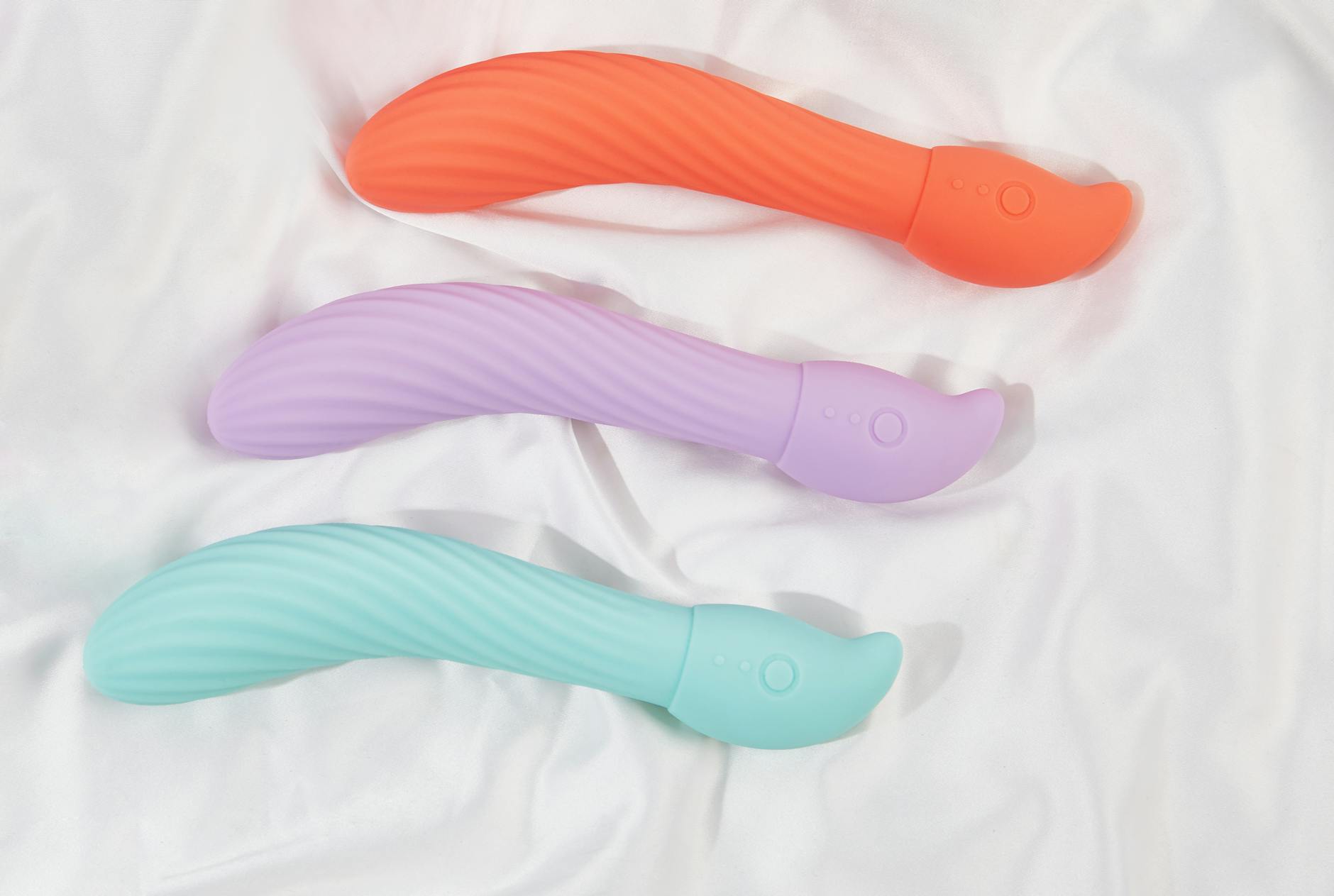
How to Use Lemon Vibrators When Your Partner Has Lower Sex Drive
Let's be real: desire mismatch is one of the most common relationship complaints I hear. One person wants sex twice a week. The other is content with twice a month. Or not at all. Nobody's broken. But somebody usually feels rejected, and somebody else feels pressured. Both of those feelings suck.
The temptation is to frame this as a problem to solve together. And yes, communication matters. But here's what I've learned from decades of couples work: before you can rebuild shared intimacy, you often need to rebuild your individual relationship with your own pleasure. That's where a lemon clitoral vibrator comes in.
Why this mismatch happens in the first place
Desire doesn't live in a vacuum. It gets shaped by stress, hormones, medications, relationship dynamics, past trauma, and a thousand other variables. Sometimes a partner's lower libido has nothing to do with you. Sometimes it does. Usually it's both.
What matters right now: you're here. You want your body to feel good. You shouldn't have to wait for your partner's desire to match yours before you get to experience pleasure. That's not intimacy. That's deprivation dressed up as compromise.
One of my clients put it perfectly: "I realized I was asking his body for permission to enjoy mine." She was waiting for him to want sex. When he didn't initiate, she shut down her own desire instead of exploring it independently. Sound familiar?
The disconnect between his drive and yours
When you're partnered with someone who wants less sex, your own desire often gets tangled up in rejection. You stop reaching for pleasure because reaching and being turned down hurts. Over time, you might even lose track of what you actually want, separate from whether he wants it too.
A lemon sexual toy is useful here because it's purely about you. Not negotiating. Not waiting. Not performing. Just sensation, at your pace, on your timeline.
This isn't about replacing him or avoiding the mismatch conversation. It's about remembering that your pleasure belongs to you first. Once you've reconnected with that, the conversation with your partner becomes completely different. You're not coming from a place of "I need you to want me." You're coming from "I deserve to feel good, and I want to find a way we can both be comfortable with that."
Why lemon vibrators work particularly well for desire mismatch
A lemon clitoral vibrator like the Lem uses suction stimulation instead of traditional vibration. This matters when desire has been dormant for a while because suction doesn't require the same mental effort to feel good. With conventional vibrators, you sometimes have to actively engage. You're thinking about the sensation, adjusting, waiting for it to build. Suction works differently. You put it there and your body responds. There's less friction between "I'm not sure if I want this" and "Oh, that actually feels incredible."
For people whose desire has been quieted by rejection or resentment or just exhaustion, that lower barrier to pleasure can be transformative. You're not forcing anything. You're just discovering what happens when you give yourself permission.
Starting the conversation with yourself (not your partner, yet)
Before you bring this into the relationship, get clear on what you actually want and why. I often ask clients three questions:
- What would solo pleasure feel like if you removed the guilt? Not shame about having it. Just. What do you actually want?
- Does exploring your own pleasure feel threatening to the relationship, or does it feel clarifying? (The answer matters.)
- What would happen if you stopped waiting for him to initiate?
Take time with these. A lemon clitoral vibrator isn't about being defiant or punishing your partner. It's about rebuilding agency in your own body. You get to want. You get to touch yourself. You get to discover what feels good without running it through a filter of "Is this okay? Will this hurt him? Should I be waiting?"
How to actually use the Lem when libido imbalance is the real issue
Start by giving yourself permission in a practical way. Claim time. "Tuesday and Thursday evenings are for me." Not sneakily. Openly. Your partner doesn't need to be involved, but he also shouldn't be confused about why you're taking space.
When you sit down with a lemon clitoral vibrator for the first time in this context, go slow. You're not trying to have the most intense orgasm of your life. You're trying to remember what curiosity feels like. What does your body want when nobody else's needs are in the room?
Start on the lowest suction setting. Lemon vibrators work best with a tiny bit of water-based lubricant (even though suction is gentler than friction). Let yourself explore. Move it. Pause. Change intensity. You're not looking for a finish line. You're looking for a conversation with your own body.
Many people find that consistency matters more than intensity. Using a lemon sexual toy twice a week for three weeks will often reconnect you with your desire faster than once every two months. Your nervous system starts to remember: pleasure is available to me.
What happens after you've reconnected with solo pleasure
Here's the thing: most of my couples who work through desire mismatch don't solve it by the higher-drive partner backing off, or the lower-drive partner suddenly matching their energy. They solve it by expanding what "sex" means.
Maybe he doesn't want intercourse, but he's comfortable with you using a lemon clitoral vibrator while he watches. Maybe he wants to be in the room but not directly involved. Maybe you use it before sex so you're already aroused and the actual encounter is shorter and easier for him. Maybe you're just in separate rooms and it takes the pressure off both of you.
Once you own your own pleasure, the options stop being "have sex together or don't have sex." They become "What actually works for both of us?" That's a conversation you can actually win.
Managing the shame and secrecy
I'm going to say this clearly because so many people feel it: using a lemon vibrator when your partner wants less sex doesn't make you a bad partner. It doesn't mean the relationship is broken. It doesn't mean you're going behind his back if you're honest about it.
But I know the guilt can feel enormous. You might worry he'll feel threatened. Or inadequate. Or that you're replacing him. Here's what I tell couples: his feelings about your pleasure are about him, not about you. You're allowed to have both a partner and a body. Those don't have to be at odds.
If he is threatened, that's real, and it's worth exploring together. But it's not your job to shrink your own pleasure to manage his discomfort. That's the pattern that got you here in the first place.
When to bring this into the relationship conversation
Don't lead with "I bought a lemon clitoral vibrator." Lead with the actual problem: "I've realized I've been waiting for you to want sex before I let myself want it. That's not fair to either of us. I'm going to start exploring my own pleasure separately, and I want you to know that's not about you. I still love you. I still want to be close. But my body matters too."
Then listen. He might surprise you. He might feel relief that you're not going to keep initiating and getting turned down. He might feel insecure. Both are valid. But don't abandon yourself to soothe his feelings. That's where you started, and it didn't work.
There's a reason I recommend lemon sexual toys specifically in this situation: they're not intimidating the way some toys can be. They're sleek. They're designed beautifully. They look less like a replacement and more like a tool. That psychological framing sometimes helps partners feel less threatened.
The relationship outcome most people don't expect
Here's what happens in most couples I've worked with: once the higher-drive partner stops performing need and starts taking care of their own pleasure, the dynamic shifts. You're not resentful. You're not angry. You're just... okay. And sometimes, weirdly, when you're okay on your own, your partner's interest can actually increase. Not always. But sometimes.
At minimum, you stop being two people with a problem. You become two people who are honest about what you each need and willing to problem-solve together. That's infinitely healthier than silently resenting each other.
Your pleasure matters. Not as a second choice. Not as something you can access only if your partner signs off. It matters as a standalone thing. A lemon clitoral vibrator is just the tool that helps you remember that.
Frequently asked questions
Will using a lemon vibrator alone damage my relationship?
Not if you're honest about it. What damages relationships is resentment, secrecy, and one person's pleasure being completely sacrificed. Owning your own pleasure and being transparent about it? That actually strengthens most relationships because it removes the expectation that your partner is solely responsible for your sexual satisfaction.
What if my partner feels threatened or hurt?
That's worth talking about, but it's his work to do, not yours. You can be compassionate: "I know this might feel scary. I still care about you. I'm doing this for me, not against you." But you don't have to give up your pleasure to make him feel better. That's the dynamic that caused this problem.
Is it ever okay to use a lemon sexual toy with a partner who has low libido?
Absolutely. Some couples find that using a lemon clitoral vibrator together creates a different kind of intimacy than traditional sex. He's not performing. You're not waiting. You're just present together. That can be really connecting.
How often should I use a lemon vibrator if we rarely have sex?
Start with twice a week for at least three weeks. You're rebuilding a neural pathway. Consistency matters more than frequency. Once you've reconnected with your own pleasure, you can adjust based on what feels right for you.
Can a lemon clitoral vibrator replace actual intimacy with my partner?
No. And it's not supposed to. Solo pleasure and partnered intimacy are different experiences. But solo pleasure shouldn't be dependent on your partner's willingness to have partnered sex. You deserve both.
Should I hide the toy from my partner?
Not ideally. Transparency builds trust. You don't need his permission to own your pleasure, but you also don't need to keep it secret. A simple "I got something for myself, and I'm going to use it sometimes" is honest without being confrontational.
What comes next
Desire mismatch is real. It's painful. And it's almost always solvable if both people are willing to look at their own stuff. Using a lemon vibrator isn't about replacing your partner or avoiding the conversation. It's about remembering that your pleasure is always yours to explore. Once you've done that work, the conversation with your partner becomes a completely different one.
If you're stuck in a cycle where your desire keeps getting smaller and smaller, it's time to take it back. You deserve that.
If you'd like to talk through how to have this conversation with your partner or explore what might work for your specific situation, reach out. That's what I'm here for.