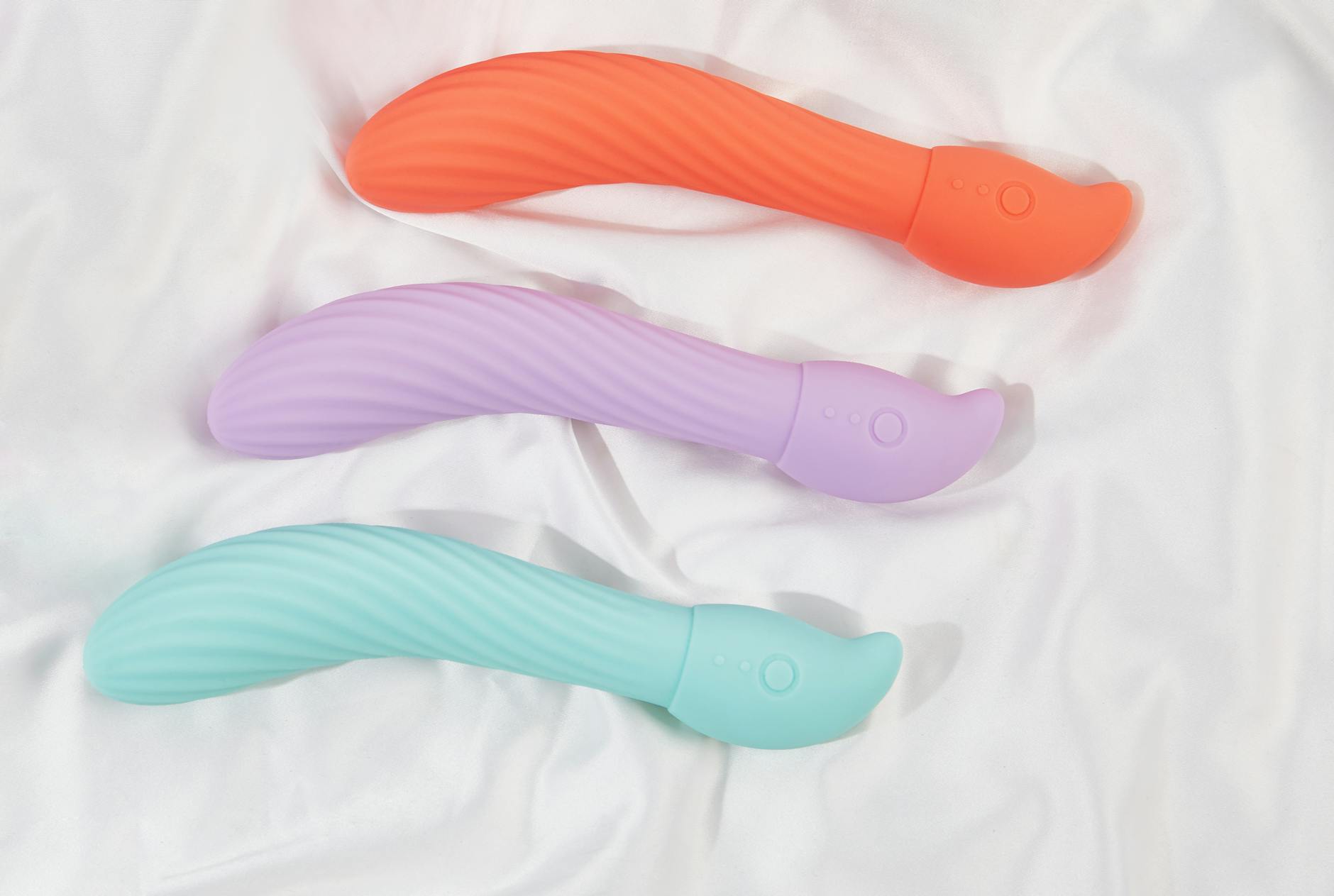
The friction problem nobody mentions clearly
Let's be real. When natural lubrication decreases, traditional vibrators often feel rough, even painful. Most advice defaults to "add lube" as if friction is the only variable. It isn't. A lemon clitoral vibrator works differently because it uses suction instead of vibration against dry tissue, which means the sensation comes from gentle pressure and pulse rather than friction.
That distinction matters more than you'd think. Reduced natural lubrication happens for concrete reasons. Hormonal shifts (menopause, birth control changes, breastfeeding), medications (antihistamines, SSRIs, blood pressure drugs), stress, dehydration, and just aging all decrease vaginal moisture. None of those factors disappear because you added lubricant. But suction-based stimulation bypasses the friction problem entirely.
How suction actually differs from vibration
A traditional vibrator creates sensation through rapid back-and-forth motion against tissue. That requires enough slip between the toy and your skin. When lubrication is minimal, that friction becomes the dominant sensation. It can feel grabby, irritating, or just plain uncomfortable no matter how much lube you add.
A lemon suction vibrator works on a different principle. Instead of moving side-to-side, it creates a gentle seal around the clitoral area and releases rhythmic pulses of suction and release. The sensation comes from the suction itself, not from the toy moving across your skin. That means reduced lubrication has almost no effect on comfort or sensation quality. You're not fighting friction. You're feeling pressure waves.
Hello Nancy's lemon vibrator ($89) uses this mechanism specifically because it works beautifully for bodies that don't produce as much natural moisture. The suction patterns don't rely on slipperiness to feel good.
The physiological reason this works better
Your clitoris has dense nerve concentration in the glans and the external tissue around it. Suction stimulates those nerves through pressure and the gentle pulling sensation, which activates different nerve pathways than vibration alone. When you reduce friction variables, you actually amplify sensation in some cases because the suction is doing all the work.
Think of it this way. Vibration needs glide to feel smooth and pleasant. Suction creates sensation regardless of surface slip because it's applying pressure, not moving. That's why people using lemon suction vibrators often report that reduced lubrication has minimal impact on their experience. Some people even find that drier tissue amplifies the suction sensation because there's less competing friction.
Medically speaking, you're also avoiding microtrauma. Friction against thinner or drier tissue can cause tiny abrasions that hurt later, even if the immediate sensation feels okay. Suction pressure doesn't create that same mechanical damage.
When medications are the culprit
Many common drugs reduce vaginal lubrication as a side effect. Antihistamines (Benadryl, Claritin), decongestants, SSRIs (Zoloft, Lexapro), and blood pressure medications all suppress moisture production. Switching medications usually isn't an option, and adding lube helps but doesn't solve the root problem.
A lemon clitoral vibrator becomes even more valuable in these cases because it removes lubrication as a limiting factor. You're not fighting a biological constraint. You're using a tool designed for bodies that don't produce abundant natural moisture. Many people on SSRIs find that suction-based devices restore sensation that traditional vibrators have lost.
If medications are affecting your arousal or lubrication, talk to your prescribing doctor. Sometimes timing the dose differently helps. But the suction mechanism of lemon vibrators means you don't have to wait for a prescription change to feel good.
The lube conversation changes with suction
With traditional vibrators, you're adding lube to create glide. With a lem vibrator, lube serves a different purpose. It helps the seal, which is important. A tiny amount of water-based lubricant actually improves suction sensation because it helps the toy maintain contact. You're not adding lube to fight friction. You're adding it to optimize suction.
Use less lube than you would with a friction-based toy. A quarter-teaspoon amount is usually enough. Too much lube actually breaks the seal and reduces sensation. This is counterintuitive for anyone used to traditional vibrators, where "more lube" generally means better comfort.
Water-based lube is essential because silicone-based formulas can degrade silicone toys. Hello Nancy's lemon vibrators are made from medical-grade silicone, so stick to water-based options.
Hormonal changes and the suction advantage
Menopause, perimenopause, and hormonal birth control all affect vaginal moisture. Estrogen maintains tissue thickness and lubrication. When estrogen drops, tissue becomes thinner and drier. That's a real physiological change that lube alone can't fully address.
Suction-based stimulation actually works better on thinner tissue because you're not relying on friction to create sensation. Some of my clients report that lemon suction vibrators feel more intense after menopause, not less, because the tissue is more sensitive to the suction pressure. That's the opposite of what happens with traditional vibrators, where thinner tissue often means decreased sensation.
If you're navigating hormonal shifts, a lemon clitoral vibrator gives you sensation reliability across the changing landscape of your body. The stimulation doesn't depend on moisture levels or tissue thickness in the same way vibration does.
The adjustment period is real but short
If you're switching from a traditional vibrator to a lemon suction vibrator, your body needs about three to five uses to recognize the different sensation pattern. Suction feels distinctly different from vibration. Some people find it more intense initially. That's not a problem. It means your nerves are responding to a new stimulus.
Start with a lower suction intensity setting. The Lem has multiple patterns. Begin with pattern 1 or 2 and spend time getting familiar with how suction feels. As you adjust, you can explore higher intensities and patterns.
This adjustment period is usually shorter for people with reduced lubrication because the suction immediately feels better than the friction they've been experiencing. The contrast is obvious, and your body quickly prefers it.
Combining suction with penetration
Many people worry that external suction stimulation during penetration might feel weird or conflicting. It's actually quite complementary. The suction focuses on external clitoral sensation while your partner provides internal stimulation. You're not competing for the same neural pathways.
If you're using a lem vibrator with a partner, the reduced-lubrication advantage becomes even clearer. Your partner's natural lubrication might be minimal, but the external suction toy works independently of that. You get reliable sensation on your terms, and your partner gets to focus on their own pleasure.
When to seek additional support
If reduced lubrication comes with pain during sex, vaginal dryness so severe it affects daily comfort, or significant mood shifts, talk to a healthcare provider. Genitourinary syndrome of menopause (GSM) is treatable. Topical estrogen creams, ospemifene tablets, and vaginal moisturizers all help when the problem is hormonal.
A lemon clitoral vibrator is an excellent tool alongside medical treatment, not a replacement for it. But for many people, the suction mechanism plus proper lubrication and a bit of extra warm-up time is genuinely all that's needed to restore pleasure.
The bottom line
Reduced natural lubrication doesn't mean reduced pleasure. It means you need a tool designed for your body's current reality. Suction-based lemon vibrators work brilliantly for women with minimal natural moisture because they remove friction from the equation entirely. You're not fighting biology. You're using physics to your advantage.
Your pleasure matters. A tool that works for your body right now, not the body you had five years ago, is worth exploring.
People also ask
Can you use a lemon suction vibrator if you have very little natural lubrication?
Yes, absolutely. In fact, lemon suction vibrators often work better for people with minimal natural lubrication than traditional vibrators do. The sensation comes from suction pressure, not friction, so moisture levels have minimal impact on comfort or pleasure. A small amount of water-based lubricant helps optimize the seal, but you need far less lube than you would with a friction-based toy.
Does suction stimulation feel different than traditional vibration?
Completely. Suction creates rhythmic pressure and release, while vibration creates movement across tissue. Suction feels more like a gentle pulling or pulsing sensation. Many people find it more intense initially, especially around the clitoris. It typically takes three to five uses to adjust if you're coming from traditional vibrators, but the adjustment period is usually shorter for people frustrated with friction-based toys.
Will a lemon vibrator help if medications are causing dryness?
Yes. Many medications including SSRIs, antihistamines, and blood pressure drugs reduce natural lubrication as a side effect. Because suction-based stimulation doesn't rely on moisture, a lem vibrator works well regardless of medication side effects. Talk to your prescriber about the dryness, but a lemon clitoral vibrator can restore sensation while you explore other options.
How much lube do you need with a lemon suction vibrator?
Much less than traditional vibrators. A quarter-teaspoon of water-based lubricant is usually enough. Too much lube actually reduces suction effectiveness by breaking the seal. The goal is to help the toy maintain contact, not to create maximum glide. Water-based formulas are essential because silicone lube can damage silicone toys.
Do lemon vibrators work better after menopause?
Many people report that lemon suction vibrators feel more intense and satisfying after menopause, not less. This is because suction stimulation doesn't depend on tissue thickness or moisture in the same way vibration does. Thinner tissue from hormonal shifts actually becomes more responsive to suction pressure. If you're navigating menopause or perimenopause, suction-based devices often deliver more reliable sensation than traditional options.
Can reduced lubrication be treated with medication?
Yes. If low natural lubrication comes with discomfort or impacts daily life, talk to your provider about genitourinary syndrome of menopause (GSM). Topical estrogen creams, ospemifene, and vaginal moisturizers are all effective medical options. A lemon clitoral vibrator works beautifully alongside these treatments and can restore pleasure while hormonal support takes effect.
What comes next
If reduced natural lubrication has been frustrating your pleasure, a lemon suction vibrator is worth trying. Start with a lower intensity pattern and spend time getting familiar with how suction feels on your body. Keep water-based lube on hand, but remember you need significantly less than with traditional toys.
If you have questions about how lemon vibrators might work for your specific situation, reach out. Contact us with your concerns, and we can point you toward the right tool for your body right now.
Your pleasure deserves a device built for how your body actually works.